





INFORMED SPORT NEWS
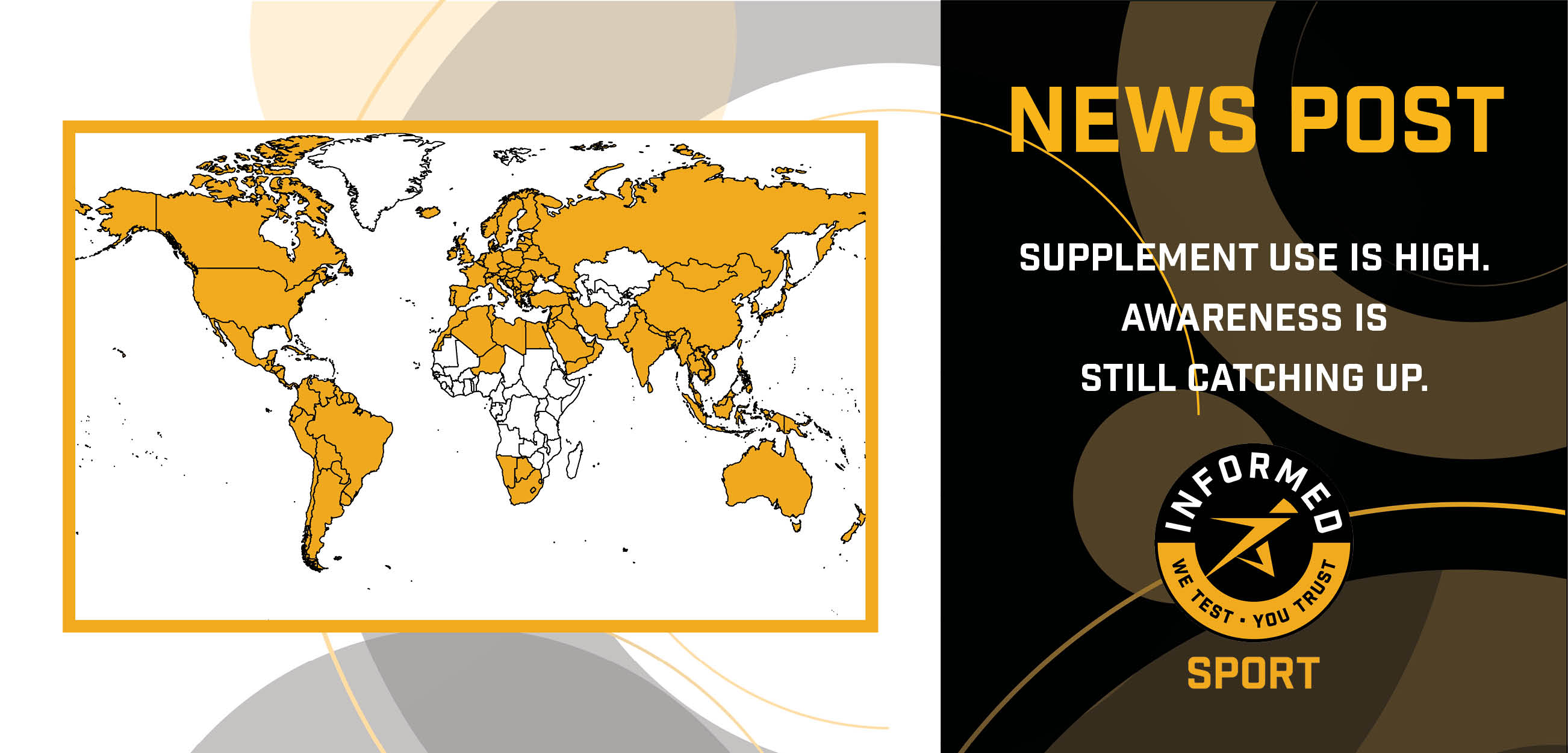
Supplement use is high. Awareness is still catching up.
8 May 2026
Nutritional supplements are widely used across sport and active nutrition, supporting everything from performance and recovery to health and wellbeing.
But while supplement use remains high, awareness of third-party testing, certified products and batch verification is not always keeping pace.
For athletes, practitioners, brands and sporting organisations, this matters. Supplements can play a role in performance and recovery, but they can also carry risk - particularly where products are not independently tested, ingredients are mislabelled, or contamination occurs within complex global supply chains.
Recent research continues to highlight the need for stronger education, clearer verification routes and greater access to independently tested products.
A global awareness gap
A recent article in the International Journal of Sport Nutrition and Exercise Metabolism, “Navigating the Risks Beyond the Label: Unpacking Global Nutritional Supplement Safety,” explores the challenges facing athletes and support teams when navigating supplement safety. The paper highlights widespread nutritional supplement use among athletes, inconsistent regulatory frameworks, limited safety oversight and the role third-party testing can play as a risk-mitigation strategy.
Across markets, one theme is consistent: athletes are using supplements, but awareness and behaviours around third-party testing and batch verification vary widely.
For example:
- In the US, 100% of D1 student-athletes reported using nutritional supplements, but 64% had not heard of third-party testing and 46% did not know where to purchase third-party tested supplements.
- In Ireland, 60% of elite and 59% of amateur athletes reported using supplements, but only 20% of amateur and 29% of elite athletes reported checking for a batch-tested product before taking a supplement.
- In Australia, 97% of athletes reported using supplements, but only 41% said they only used third-party tested supplements. A further 20% did not know whether their supplements were tested, and 19% said they were unaware of the need to use third-party tested supplements.
- In Japan, 70% of elite athletes reported using supplements, but 50% said they did not use third-party tested products.
- In India, 40% of elite athletes had received anti-doping education, while 33% were aware that using supplements containing prohibited substances could result in an anti-doping violation, regardless of intent.
Together, these findings point to a clear opportunity: education needs to move beyond general supplement awareness and into practical, repeatable behaviours.
Athletes do not just need to know that supplement risk exists. They need to know how to choose independently tested products, where to verify them, and why checking the specific batch matters.
Why batch verification matters
For athletes subject to anti-doping rules, supplement choices matter.
Under the principle of strict liability, athletes are responsible for any prohibited substance found in their sample, regardless of intent. That means supplement decisions need to be made carefully, with clear guidance and practical tools to reduce risk.
Third-party testing cannot remove all risk. But it can help athletes and support teams make more informed decisions by identifying products that have been independently assessed for substances prohibited in sport.
Batch verification is especially important because risk is not always visible from the label alone. A product name or brand logo does not tell the full story - athletes need to know whether the specific batch they are using has been tested.
This is where certification standards matter. Not all third-party testing programmes are built in the same way, and not all provide the same level of batch-specific assurance.
Clean sport starts with everyday decisions
Clean sport is built through the choices athletes make every day - including what they choose to put into their bodies.
For athletes, practitioners and sporting organisations, that means turning education into practical behaviour:
- Assessing whether a supplement is genuinely needed
- Seeking qualified advice where possible
- Choosing independently tested products
- Checking the specific product batch before use
These steps are simple, but they matter. As supplement use continues to grow, the ability to identify and verify lower-risk products becomes an important part of athlete protection.
How INFORMED supports safer supplement choices
INFORMED programmes are designed to help brands, athletes and support teams reduce supplement risk through independent testing and certification.
For athletes and support teams, the INFORMED website and app provide a practical way to search certified products and verify batch numbers before use.
This distinction is important. For Informed Sport, every certified product batch is tested for banned substances before it is released to market. Users can search by batch number, brand name, product name and formulation, making it easier to verify the specific product they plan to use.
Through programmes including Informed Sport, Informed Choice, Informed Protein, Informed Ingredient and Informed Manufacturer, INFORMED supports safer supplement choices across products, ingredients and manufacturing environments.
For brands and manufacturers, certification provides a way to demonstrate that product quality, transparency and risk management are being taken seriously.
Education, verification and access must work together
The research is clear: supplement use is already part of athlete behaviour across many markets.
The challenge now is ensuring athletes have the knowledge, tools and access they need to make lower-risk choices.
That means improving awareness of third-party testing, making certified products easier to identify, and embedding batch verification into everyday supplement decision-making.
Because when it comes to supplement safety, trust should not rely on claims alone.
It should be supported by independent verification.