




INFORMED SPORT NEWS
The Hidden Dangers: NIL, Endorsements, and Untested Supplements - A Risky Game for Athletes
20 October 2025
The era of Name, Image, and Likeness (NIL) has opened unprecedented financial opportunities for collegiate and professional athletes. However, with the allure of lucrative endorsement deals, particularly from sports supplement brands, comes a significant risk: partnering with companies whose products are not third-party tested. For athletes whose careers hinge on their health and eligibility, this oversight can have significant consequences.
The sports supplement market is a multi-billion-dollar industry, and many brands are eager to tap into the influential power of athletes. While many brands adhere to rigorous testing standards, such as Informed Sport, a substantial number do not. This creates a perilous landscape where athletes, often advised by agents who may prioritize financial gain over due diligence, can inadvertently jeopardize their careers.
In a recent study commissioned by the NCAA, athletes reported that the use of sports supplements was widespread, however 48% purchased products outside of what is provided by their department, 38% that they used tested supplements part of the time, while 20% have never used tested products.
The Risk of Contamination and Banned Substances
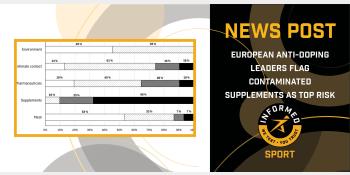
The most immediate and severe risk for athletes endorsing untested supplements is the potential for contamination with banned substances. According to the Institute of National Anti-Doping Organisations (INADO), 8% of positive doping violations originate from contaminated substances. Manufacturing processes in facilities without strict quality controls can lead to cross-contamination, where trace amounts of prohibited ingredients find their way into finished products. An athlete, unknowingly consuming a contaminated supplement, could fail a drug test, leading to:
- Suspension or Ban: This is the most direct consequence, sidelining an athlete from competition and potentially ending their season or even their career.
- Reputational Damage: A failed drug test can tarnish an athlete's image, impacting future endorsement opportunities and their standing with fans and teammates.
- Financial Loss: Beyond the loss of NIL deals, professional athletes could face loss of earnings
Even if a supplement doesn't contain a banned substance, a lack of third-party testing means there's no independent verification of the ingredients listed on the label. Studies have repeatedly shown discrepancies between declared and actual protein content, the presence of undeclared stimulants, or even harmful heavy metals.
Health Risks Beyond Eligibility
Beyond the immediate threat to eligibility, untested supplements pose significant health risks. Without proper quality control, products might contain:
- Incorrect Dosages: Leading to adverse reactions, from mild discomfort to severe health complications.
- Undeclared Allergens: Triggering dangerous allergic responses in susceptible individuals.
- Harmful Contaminants: Heavy metals, pesticides, or other environmental toxins can accumulate in the body over time, leading to long-term health issues.
The Importance of Third-Party Certification
This is where third-party testing and certification become critical. Organizations such as Informed Sport, rigorously test supplements for banned substances, screening finished products for 300 compounds prohibited by major sports organizations such as the NCAA, WADA, NFL, NBA and NHL.
For athletes, choosing to endorse only those brands that bear a recognized third-party certification stamp is critical.
LGC’s NIL Custom Testing Service
If a brand does yet not hold certification to Informed Sport, LGC offers a NIL Custom Testing Service that screens for 300 substances from the WADA prohibited list. Schools can refer a brand to LGC, which will be charged at a significantly discounted rate, allowing them to test a specific production batch of a product before providing it to athletes.
By utilizing this service, LGC can verify product safety for each lot number tested while also encouraging brands to choose a more robust option of protection by participating in a formal anti-doping program such as Informed Sport or Informed Choice.
To learn how the NIL Customer Testing Service can benefit your School, get in touch.